Start with the conditions inside the room
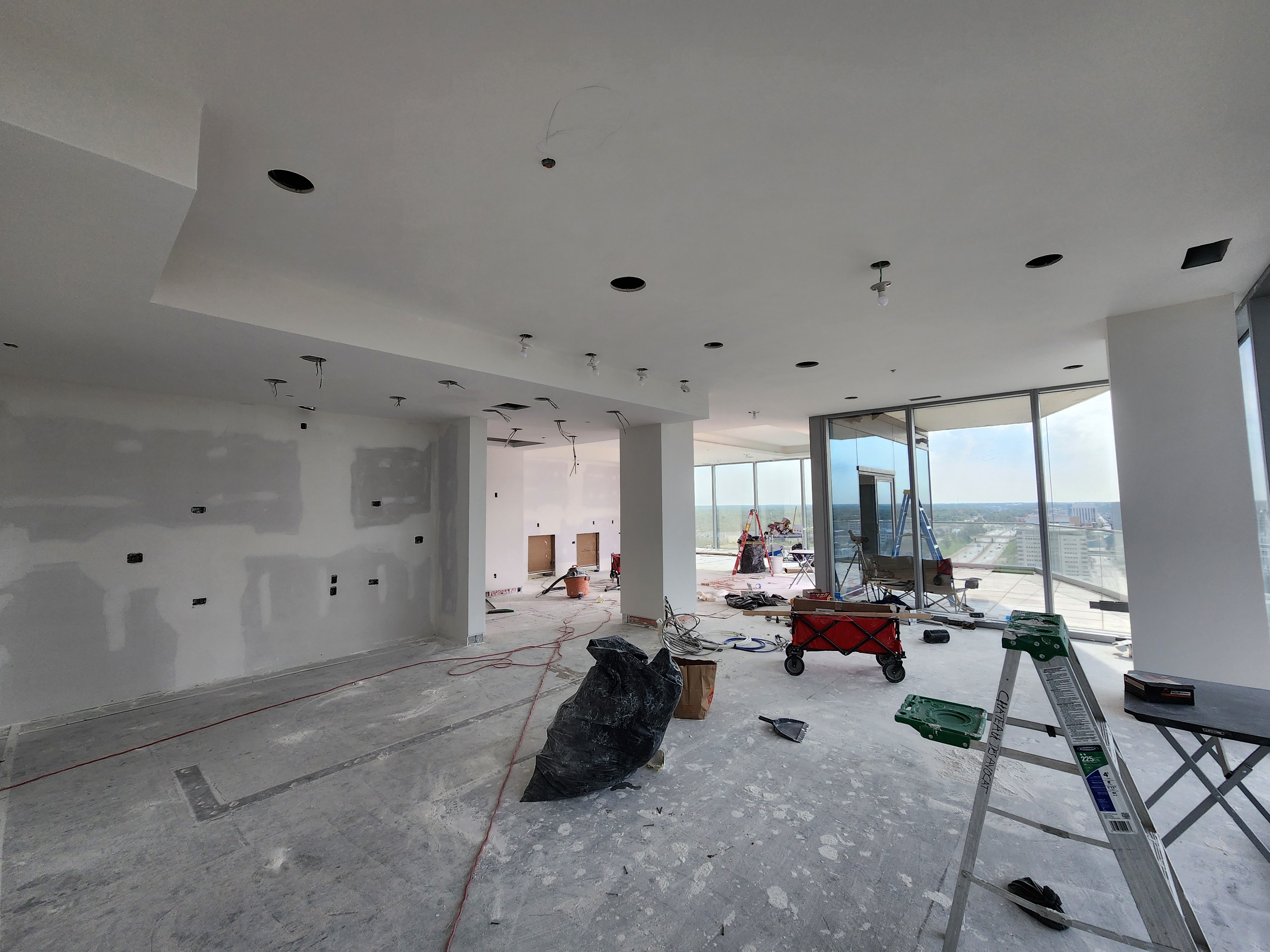
An enclosed room is not necessarily ready for finishing. Tell your contractor whether the space is heated, how it is ventilated, and whether other construction is still introducing moisture. Temperature and humidity affect how drying-type joint compound dries; a schedule should reflect the actual conditions.
Ask the team what needs to be in place before the crew arrives. That discussion is more useful than assuming an unfinished basement will behave like the finished rooms upstairs. Let the contractor assess the room rather than trying to accelerate the process with an improvised heating setup.
Put the work in a sensible order
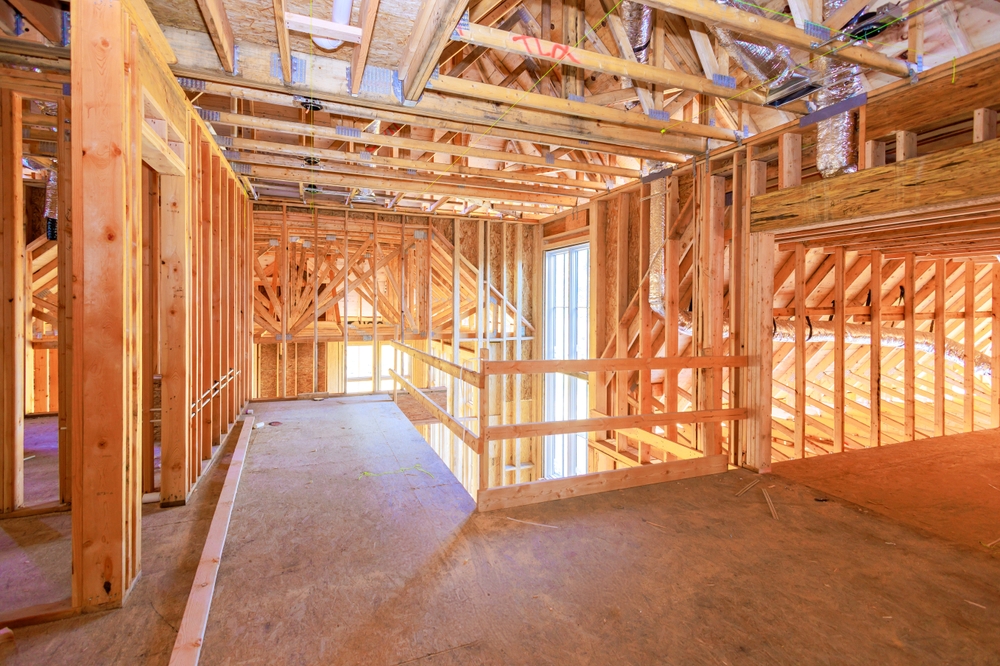
If electrical, plumbing, insulation, or framing work is part of the project, coordinate those stages before drywall closes the walls. Confirm the required checks with the responsible trades. Changing an outlet location after finishing usually creates additional work.
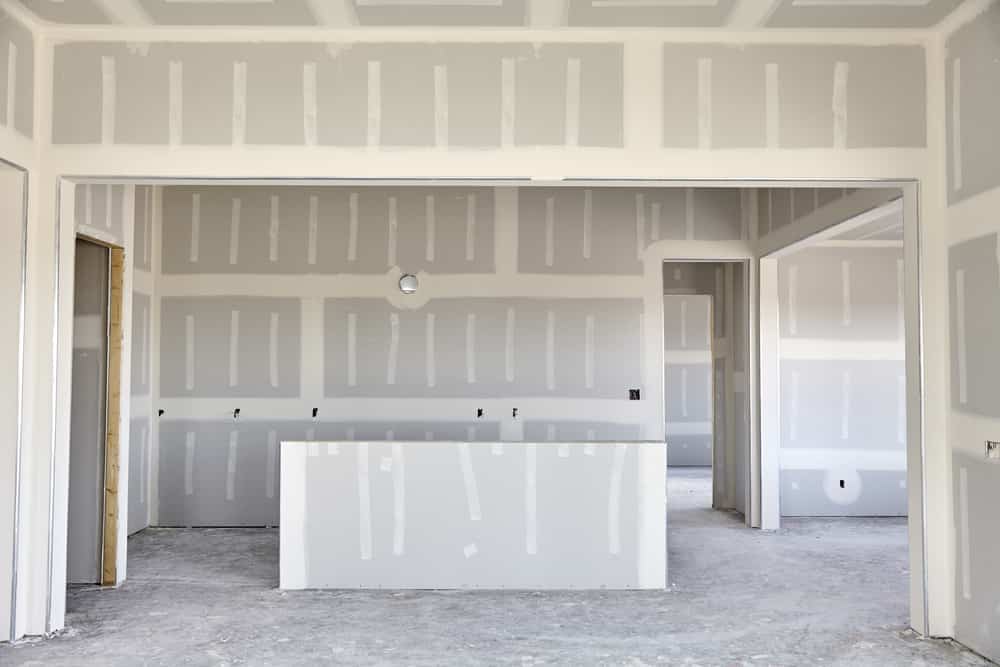
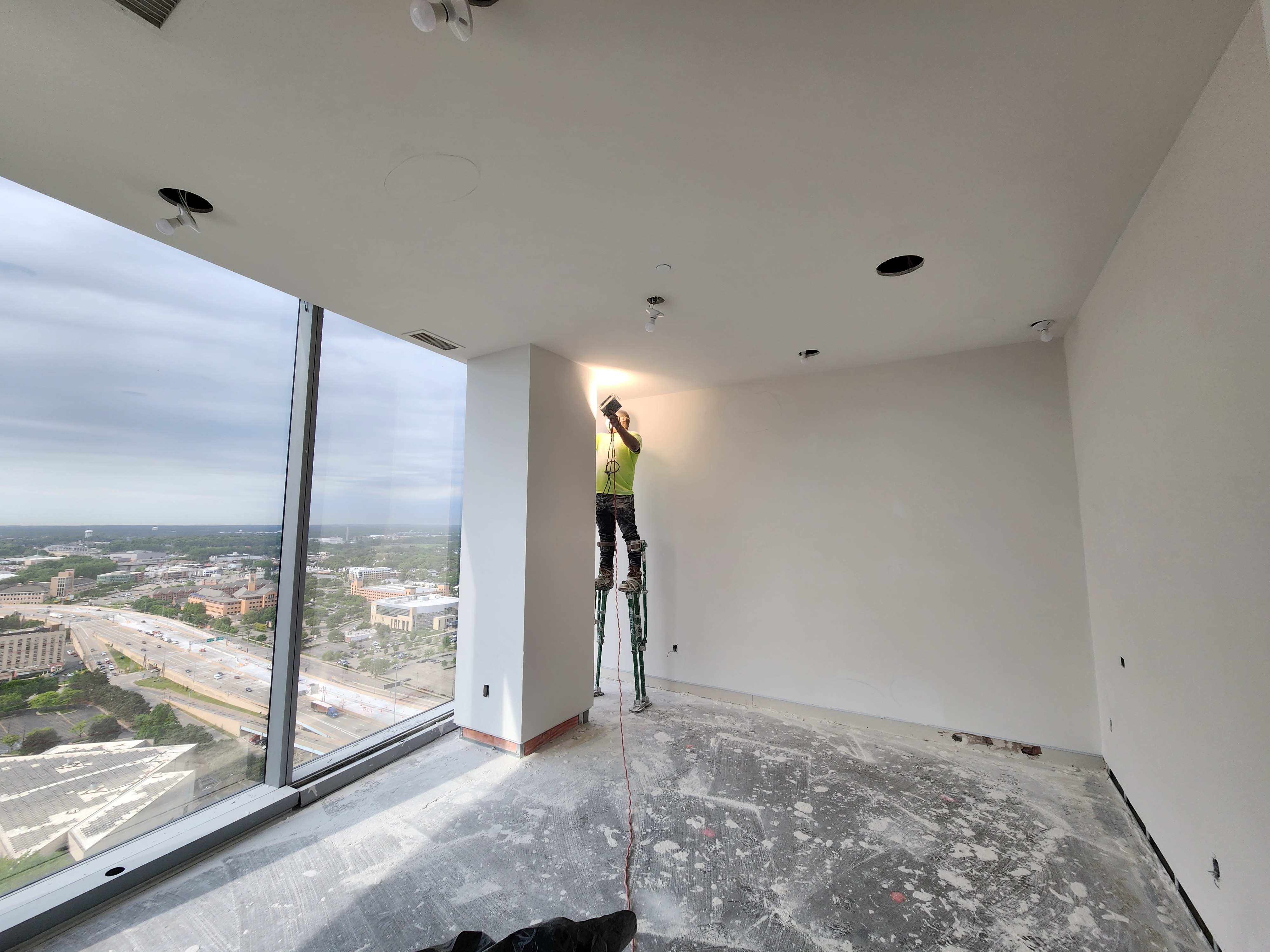
Make the handoffs visible in your plan: preparation, installation, finishing, final surface preparation, and painting. Decide who is responsible for each stage. A date for “drywall complete” is much clearer when everyone agrees whether it includes a finished surface, primer, or paint.
Leave room for drying and access
Finishing may involve several visits. Ask about the expected sequence and what could change the timing. A target completion date should leave room for drying, not just hours when a crew is physically working.
Consider access, too. Show the team where materials can enter, which areas are occupied, and where furniture needs to move. Share any limits on working hours early, especially when the room connects to the part of the house you use every day.
Your project checklist
- Project address and current photos
- Heating and ventilation status
- Other trades and required handoffs
- Agreed wall and ceiling finish
- Who handles primer and painting
- Target dates and access restrictions
A few good questions
Can drywall work happen during winter?
Yes, when the space and project conditions are appropriate. Discuss the indoor setup and scope with the contractor before settling on dates.
Does compound always dry overnight?
No. Drying depends on conditions and the product used. Ask for a sequence based on your room rather than a universal overnight promise.